2026 Custom Sign Buying Guide: What 16 Years on the Factory Floor Taught Me
Choosing the Right Material: Acrylic vs. Stainless Steel vs. Aluminum
You need to pick a material for your sign. Acrylic lets through 90-92% of light, which makes it bright, but it can scratch. Stainless steel lasts over 10 years outdoors, but it's heavy and costs more. Aluminum is lighter and doesn't rust, so it works in many places. The main thing is where the sign goes. Near the coast? Use stainless 316. In a busy area? Acrylic with UV protection holds up better.
Understanding LED Sign Prices: Factory vs. Retail Installation Costs
Factory prices are lower than what you'd pay a US sign shop. A front-lit
channel letter from the factory runs $20-80 per letter, while a US shop might charge $200 or more per letter installed. Installers sometimes add charges for "special tools" or "extra labor." Ask what those are before you pay.
The Science of Color Temperatures: Warm, Neutral, or Cool?
LED color temperature affects how the sign looks. Warm white (3000-3500K) works well for restaurants and hotels. Neutral white (4000-5000K) is common for offices and retail. Cool white (6000-6500K) fits industrial or warehouse settings. Most buyers choose color based on personal taste, but it should match the place where the sign will be.
Custom Sign Production: A 10-Step Process Explained
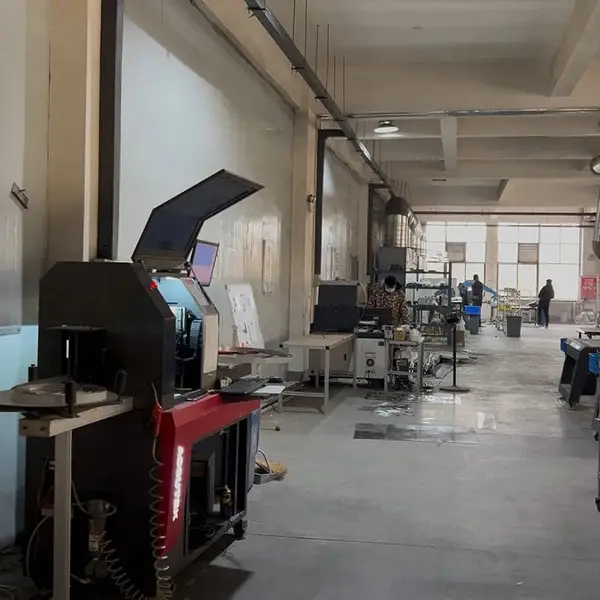
Making a custom sign takes several steps. At Aochuang Sign, we follow a 10-step process. First, we confirm the design (1 day). Then we laser cut the material (±0.1mm, 1-2 days). Next, we bend and weld the pieces (TIG, 1-2 days). After that, grinding and polishing (1-2 days) smooths the edges. The acrylic face is CNC cut (1 day), then we assemble the LED modules (1-2 days). We seal the sign with neutral silicone (1 day) to keep water out, which matters for
outdoor signs. We run an 8-12 hour aging test, then inspect every sign. Finally, we pack it in foam, carton, and a plywood crate so it arrives undamaged. Total production time is about 5-15 days.
Certifications and Standards: What They Mean for Your Sign
Certifications are not just paperwork. At Aochuang Sign, we have CE, RoHS, and ISO 9001. CE means the sign meets European safety rules. RoHS means we don't use certain hazardous substances. ISO 9001 is a quality management system that keeps our production consistent. UL 48 is important for electrical safety in the US; it costs $4,000-15,000 and takes 4-9 months with quarterly audits. ETL is a lower-cost alternative to UL 48. CE certification costs a few thousand dollars. IP65, IP66, and IP68 ratings show how well a sign resists water and dust. For signs that need to be accessible, ADA-compliant tactile signs with Grade 2 Braille are required. These certifications make sure the sign is safe and works, not just looks good.
Shipping and Tariffs: Navigating International Deliveries
Shipping a sign internationally takes planning. From our factory to your door by express takes about 5-15 days after production. Sea shipping takes longer, often about 65 days. If you're in the US, import duty may apply depending on the sign's value and current tariff rates; check with your customs broker. For small shipments by sea LCL, expect to pay at least $80 per cubic meter. You need to know your deadline, budget, and how long you can wait before you choose a shipping method.
Frequently Asked Questions
How long does it take to receive my custom sign?
Production takes about 5-15 days after design confirmation. Shipping adds another about 5-15 days by express.
What materials are used for custom signs?
Acrylic for light transmission, stainless steel for durability, aluminum for weight, and LED for lighting. Which one you pick depends on where the sign goes and what it's for.
Do I need a permit for my custom sign?
It depends on the location. In the US, many cities require a permit for a
storefront sign. Check with your local building department.
What is the warranty on custom signs?
LEDs have a 5+ year lifespan, and the power supply has a 1-year warranty. That's our warranty.
Maximizing Your Sign's Lifespan: The Importance of Quality Materials and Finishes
When it comes to signs, how long they last matters. I've seen signs that looked good new but failed after a few years. The difference is often the materials and finishes.
Acrylic: It lets through 90-92% of light, so the sign is bright. UV-resistant acrylic from Mitsubishi or Degussa can last 5-8 years outdoors. Cheaper domestic acrylic can start to yellow in 1-2 years. Pay a bit more for the better grade.
Stainless steel: 304 grade lasts over 10 years outdoors because it has 18% chromium and 8% nickel. If the sign is near salt water or industrial pollution, use 316 grade. It costs 20-30% more than 304 but holds up better.
Aluminum: It weighs about a third less than steel and doesn't rust. With anodized or powder coated finish, it lasts 8-12 years outdoors. For signs over 2.5 meters, use at least 5mm thick aluminum to keep it from flexing.
LEDs: The quality of the LED modules matters. Samsung or Osram modules can last over 5 years. Cheap modules often fail in 12-18 months. Don't save money on this part; it's what makes the sign light up.
So when you pick materials, don't just take the cheapest quote. Pay for quality and the sign will last longer.